
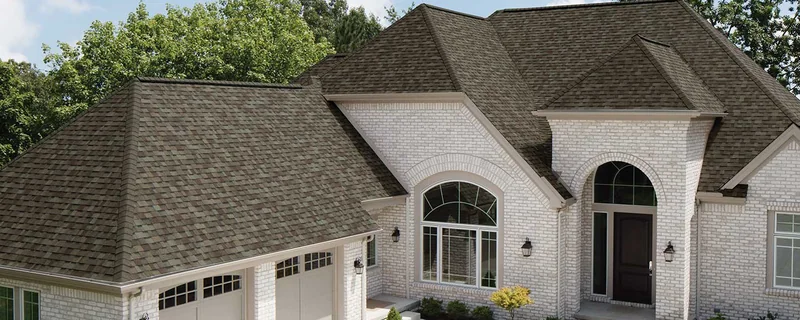
Windows are where a house loses the most comfort and hides the most water damage. A failed seal is invisible until the glass fogs; a badly flashed opening wets the wall behind the trim for years before anything shows on the inside. We replace and repair windows with our own crews, flash the openings properly, and document storm damage to windows alongside the roof so it lands on one claim.
What a proper window replacement includes
- Measured before anything is ordered — every opening measured individually, because no two openings in an older Midwest house are the same
- The old unit comes out clean — sash, stops and old fasteners removed without tearing up your interior trim
- The opening gets inspected — we look at the sill, the framing and the sheathing below it, because a window that leaked has usually been wetting the wall for years
- Flashing and a sill pan at the head and sill so water that gets past the outer seal drains back out instead of into the wall
- Insulated and sealed — low-expansion foam around the frame, not wadded fiberglass, then sealed inside and out
- Exterior wrapped in coil stock so the trim does not need painting every few years
- Full cleanup — old units hauled, cutoffs removed, and a final walk with you before we leave
Full-frame or insert replacement, explained honestly
Insert (pocket) replacement keeps your existing frame and sets a new window inside it. It is faster, cheaper, and it leaves your interior and exterior trim alone. It is the right call when the existing frame is square, solid and dry.
Full-frame replacement takes the window out down to the rough opening — frame, sill, the whole assembly. It costs more and takes longer. It is the right call when the sill is soft, when there is rot in the framing, or when the opening has shifted enough that an insert would never seal. It is also the only version that lets us flash the opening properly.
We will tell you which one your house needs after we look at the opening, not before. A contractor who quotes full-frame on every window without inspecting the sill is quoting a price list, not your house.
Storm, hail and wind damage to windows
Window damage is one of the most commonly missed items on a storm claim. Hail dents and tears window screens, pocks the aluminum wrap and cladding, and cracks or chips the glass at the edges where it is weakest. Wind drives water past seals that were already tired and pushes it into the wall below. None of it is obvious from the driveway, and most of it sits above eye level.
When we inspect a roof after a storm we photograph the windows, the wraps, the screens and the soft metals at the same time, with the storm date recorded. If it belongs on the claim, it goes on the claim with the roof — not as a separate conversation six months later, after your reporting window has closed.
Signs your windows need attention
- Fog, haze or moisture between the panes — the seal has failed and the unit cannot be repaired, only replaced
- A draft you can feel with your hand along the sash on a cold day
- Sashes that stick, drop, or will not stay up
- Soft or discolored wood at the sill or the bottom of the frame
- Condensation or staining on the wall or trim below the window
- Torn screens, dented wraps or chipped glass edges after a hail storm
- Rooms that never hold temperature no matter what the furnace does
Which windows hold up best in Midwest weather?
Our weather is hard on windows in both directions — humid summers that swell wood and hard freezes that contract everything, plus a hail season on top. What matters most here is not the brand on the sticker, it is whether the unit is sealed and flashed correctly and whether the glass package suits the exposure.
Vinyl is the practical default for most homes in our service area: it does not rot, it does not need paint, and it handles the freeze-thaw cycle without complaint. Fiberglass and composite cost more and move less with temperature, which makes them a good fit for large openings. Wood is right when a home’s character calls for it, and it is the highest-maintenance option on the board. West and south exposures take the most sun and the most weather, and they are usually where a better glass package earns its money.
Windows, siding and the roof on one claim
We install and repair roofing, siding, gutters and windows with our own crews, so one visit covers the whole exterior. That matters most after a storm: hail rarely hits only the roof. The same storm that bruises shingles dents gutters, pocks siding and shreds window screens, and an adjuster is far more likely to pay for all of it when it is documented together, in one inspection, with one storm date.
It also means one company is responsible for where those systems meet — the flashing above a window, the siding that laps over it, the gutter that dumps water near it. That intersection is where most exterior leaks actually start, and it is exactly where a roofer and a window installer from two different companies point at each other.
How the work goes, start to finish
A free inspection and an itemized written estimate first, with the openings measured and the recommendation explained. Windows are built to your measurements, so there is a lead time between order and install — we tell you what it is up front. On install day we protect the floors and landscaping, work opening by opening so your house is never left open, and clean up as we go. Most homes are finished in a day or two depending on count. We do a final walk with you before we leave.
Free inspections, answered 24/7, and a company that has been answering its phone in this region since 1947.
What window replacement costs, and what moves the number
Anyone who quotes you a per-window price over the phone is guessing. The number moves on the count and size of the openings, the frame material, the glass package, whether the job is insert or full-frame, and what we find in the sill and framing once the old unit is out. A house with square, dry openings and standard sizes is a straightforward job. A house with rotted sills and four odd-sized openings is not.
What we will do is measure every opening, tell you which replacement type each one needs and why, and put it in writing, itemized, before you commit to anything. If a window can be repaired instead of replaced, we will say so.
Window questions, answered
Tap any question to open it.
How much does window replacement cost?
It depends on the count and size of the openings, the frame material, the glass package, whether each opening needs an insert or a full-frame replacement, and what we find in the sill once the old unit is out. Anyone quoting a per-window price over the phone is guessing. We measure every opening and put an itemized number in writing. The inspection and the estimate are free.
Do I have to replace every window at once?
No. We itemize the estimate per opening so you can start with the worst ones — usually the west and south exposures, or the ones with failed seals — and do the rest later. What we will not do is tell you the whole house needs replacing when it does not.
What is the difference between full-frame and insert replacement?
An insert, or pocket, replacement sets a new window inside your existing frame. It is faster and cheaper and leaves your trim alone, and it is right when the frame is square, solid and dry. A full-frame replacement removes the whole assembly down to the rough opening, which costs more but is the only version that lets us flash the opening correctly. It is the right call when the sill is soft, there is rot in the framing, or the opening has shifted.
Which windows hold up best in Midwest weather?
Vinyl is the practical default for most homes here: it does not rot, needs no paint, and handles freeze-thaw cycling well. Fiberglass and composite move less with temperature and suit large openings. Wood fits homes whose character calls for it and needs the most maintenance. What matters more than the brand is whether the unit is sealed and flashed correctly and whether the glass package suits the exposure.
Can hail or storm damage to windows go on an insurance claim?
Often yes, and it is one of the most under-claimed losses on a house. Hail tears screens, dents aluminum wraps and cladding, and chips or cracks glass at the edges where it is weakest. We photograph windows, wraps, screens and soft metals during the roof inspection with the storm date recorded, so it is documented with the roof instead of raised months later after the reporting window has closed.
What does hail damage to a window look like?
Torn or punctured screens, dents and dimples in the aluminum wrap or cladding, chipped or starred glass at the edges, cracked panes, and damaged sills or sash exteriors. On the same elevation you will usually also find dented gutters and downspouts and marks on other soft metals, which is what ties it to a specific storm.
Why is there fog or moisture between my window panes?
The seal on the insulated glass unit has failed and the space between the panes is no longer sealed. It cannot be repaired — the glass unit has to be replaced. Sometimes that means a new sash rather than a whole new window, which is cheaper, and we will tell you when that is the case.
Can a window be repaired instead of replaced?
Sometimes. Hardware, balances, sashes, screens and individual glass units can often be replaced on their own, and that is the cheaper fix when the frame is sound. Replacement is the honest answer when the frame is rotted, the opening has shifted, or seals have failed across most of the house. If yours can be repaired, we will say so.
How long does a window replacement take?
Windows are built to your measurements, so there is a lead time between the order and the install, and we tell you what it is up front. On install day most homes are finished in one to two days depending on the number of openings. We work opening by opening so your house is never left open, and we clean up as we go.
Do you flash the window openings?
Yes, and it is the detail most often skipped. Water will eventually get past any outer seal, so the opening needs a sill pan and head flashing that sends it back out rather than into the wall. A window set in caulk alone will look fine for a few years and rot the framing underneath while it does.
Should I do windows at the same time as siding or a roof?
If the work is already happening, yes. One crew covers the whole exterior in one mobilization, and after a storm it means the roof, gutters, siding and windows are documented together on one claim with one storm date. It also puts one company in charge of where those systems meet — the flashing above a window and the siding that laps over it — which is where most exterior leaks actually begin.
Which areas do you serve for window work?
The same service area as the rest of our work — the St. Louis and Kansas City metros, Springfield, Columbia and Jefferson City, Lake of the Ozarks, Southern Illinois and Indianapolis. See our service area for the city closest to you, or call 1-800-564-6232 and we will tell you straight whether you are in it.
Where we work
The Best Value Guarantee
Bring us a qualifying written estimate from a qualifying contractor and we will compare it against ours. If we can match or improve the value, you agree to let us do the work. If we decide not to match or improve it, we refund your deposit and pay you an additional $200 — in writing. When Mother Nature's at her worst, we're at our best.