
Recently completed roofing projects
Most roofing companies show you a gallery of anonymous stock roofs. We would rather show you the work itself: where it was, how big it was, and exactly what went on the house. Everything on this page came out of our production records the day the crew closed the job out. Nothing here is a rendering, a stock photo, or a job we bid and lost.
What you will notice reading down the list is how little the assembly changes. A 9-square roof in Bonner Springs, Kansas gets the same synthetic underlayment, the same ice and water membrane at the eaves and valleys, the same manufacturer starter course, the same continuous ridge ventilation and the same lifetime workmanship warranty as a 54-square house in Warren County. The shingle brand changes with the homeowner, the insurance scope and the neighborhood. The system underneath it does not.
These twenty projects span the St. Louis metro and St. Charles County, Jefferson County, the Metro East in Illinois, and both sides of the Kansas City line — the markets our crews run every week.
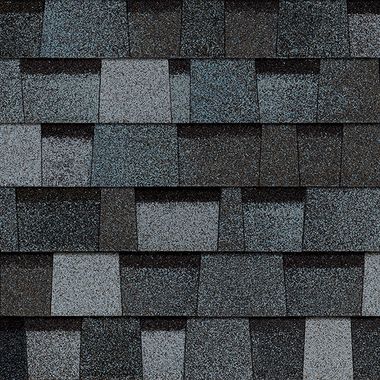
A 27-square tear-off on a two-story in the Cottleville corridor of St. Charles County, finished in Owens Corning Duration with new gutters run the same week — so the whole water path, from field shingle to valley to edge metal to downspout, was replaced as one system instead of in two visits a year apart.
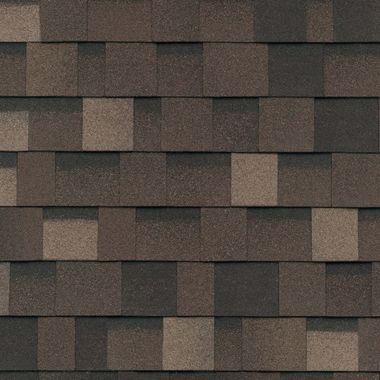
Jefferson County hail work: 22 squares stripped to the deck on a rural Antonia property and rebuilt in IKO Dynasty, a heavier laminate that holds its color on a roof with long open sun exposure and no shade from neighboring structures.
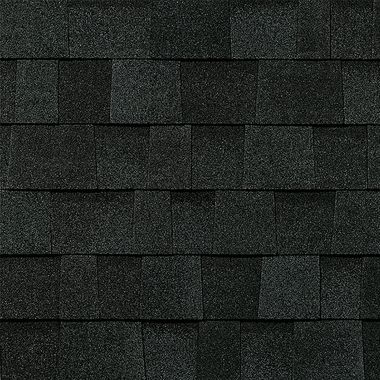
A 31-square subdivision home in O'Fallon with several gable intersections — the kind of roof where the valleys and step flashing decide whether it leaks in five years, not the shingle. Full synthetic underlayment, ice and water at the eaves and valleys, Duration over the top.
One of the larger residential roofs of the week at 43 squares, in Raymore south of Kansas City. Big roofs punish shortcuts on ventilation, so continuous ridge vent went in the full length of the ridge to move the heat and moisture a roof that size generates.
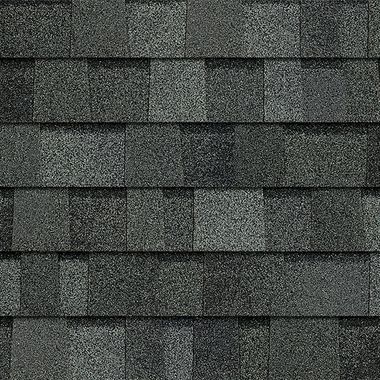
Just under 20 squares in Pacific, on the western edge of the St. Louis market where cells coming up the Meramec valley regularly drop hail. Complete tear-off and rebuild with ice and water membrane at every eave and valley.
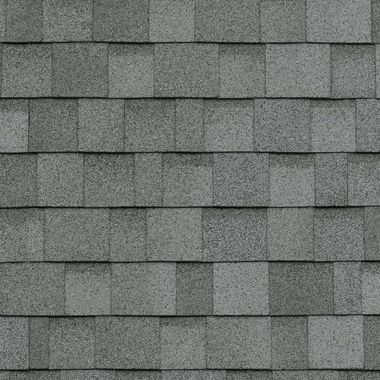
Metro East work in Madison County: roof and gutters together on a Bethalto home, nearly 25 squares in IKO Dynasty. Replacing both at once is how you keep a brand-new roof from draining into fifteen-year-old gutters that no longer carry the volume.
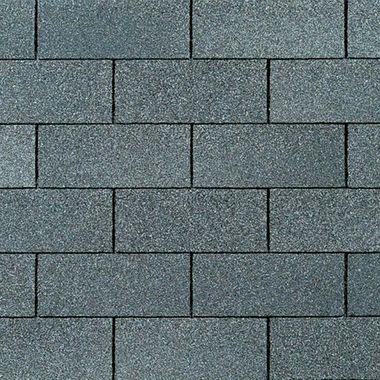
North St. Louis city, 63120 — a 17-square replacement in Owens Corning Supreme over full synthetic underlayment. City roofs sit close together, so tear-off control, debris staging and the magnet sweep matter as much on the neighbors' side as on the job itself.
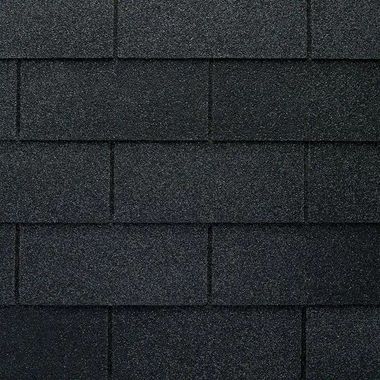
The largest project in this batch at 54 squares in Warren County, and a full exterior: roof, gutters and siding on one property, sequenced so the siding crew followed the roof rather than working around it.
A gutter replacement in Granite City — new seamless gutters and downspouts sized and pitched to actually carry a Metro East downpour, with the discharge moved away from the foundation instead of dumping at the corner of the house.
Kansas-side work in Bonner Springs: a compact 9-square roof plus gutters. Small roofs get the identical system — synthetic underlayment, ice and water, starter course, ridge vent — and the identical lifetime workmanship warranty as a 50-square house.
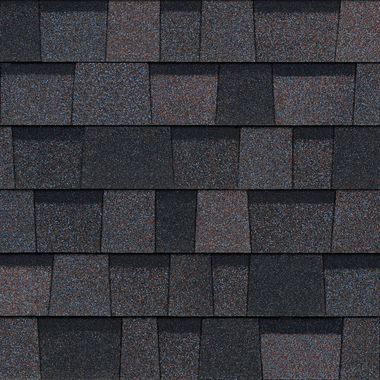
22 squares in northwest St. Louis County near Overland, rebuilt in Owens Corning Duration. Duration's reinforced nailing strip gives the fasteners a wider landing zone, which is the difference-maker in the straight-line winds this corridor sees every spring.
A 31-square Chesterfield home in 63017. Cut-up roofs like this one carry a lot of linear feet of valley and sidewall, so the flashing was priced and installed as new metal rather than reused — the most common corner cut in this market.
East of Kansas City in Lafayette County, a 26-square roof and gutters in GAF Timberline HDZ. Rural jobs mean staging material and dumpsters on gravel and long drives, planned in advance so nothing sits on a lawn for a week.
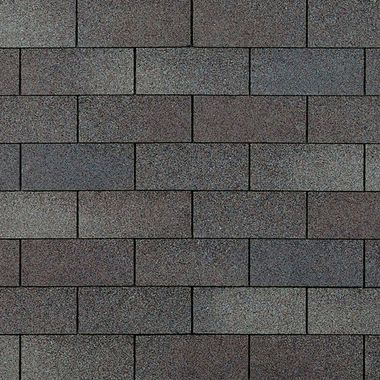
High Ridge, Jefferson County: 19 squares in Owens Corning Supreme with full synthetic underlayment. Wooded lots hold moisture on a north slope, so ventilation was corrected at the ridge rather than left at whatever the old roof happened to have.

Northland Kansas City, 64151 — 33 squares in IKO Dynasty. A Northland roof sees the full range of Missouri weather in a single year, so the assembly is built for wind uplift at the edges first and appearance second.
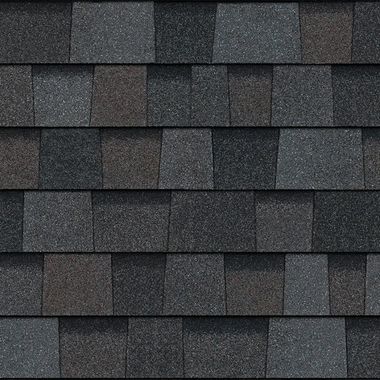
A 37-square Creve Coeur home in GAF Timberline HDZ with new gutters. Larger 63141 properties usually mean steep pitch and height, which is a safety and staging question before it is a roofing one — anchor points and access were set before a shingle came off.
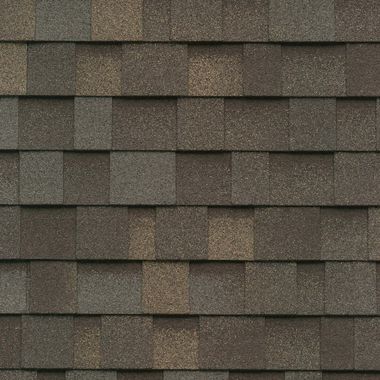
Platte County, north of Kansas City: roof and gutters on a 23-square home in Dearborn. We serve the small towns around the metro with the same crews, the same system and the same warranty as the city work — distance does not change the scope.
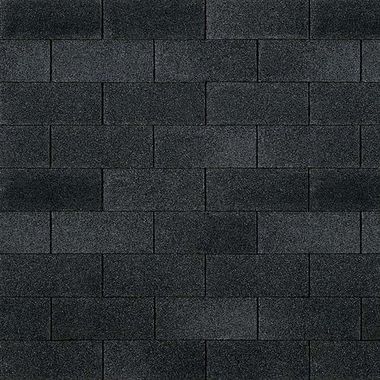
Clayton, 63105 — 14 squares plus gutters on a tight urban lot with nowhere to drop debris. Tear-off was staged and hauled the same day, which is most of what separates a clean job from a bad neighbor in a walkable district.
Godfrey, Illinois, in Madison County — just under 14 squares in IKO Dynasty. The river-bluff communities north of Alton take wind hard off the Mississippi, so the starter course and edge nailing get extra attention here.
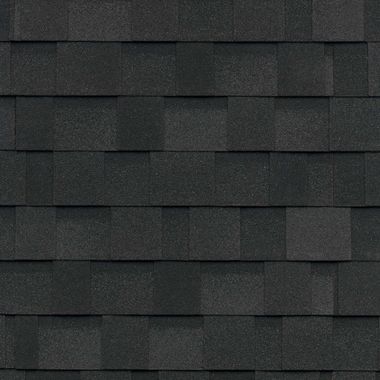
South city, 63116 — a smaller roof section with gutters and fascia repair. Older south-city homes often need the wood behind the gutter rebuilt before anything can hang straight, and that carpentry was written into the scope, not added later as a change order.
What went on nearly every one of these roofs
When a homeowner asks why one roof lasts twenty-five years and the identical-looking roof next door fails in eight, the answer is almost never the shingle. It is what sits underneath it and how it terminates at the edges. Here is the assembly repeated across this page:
- Synthetic underlayment over the whole deck. Lighter, stronger and far more tear-resistant than felt, and it will not wrinkle if a tear-off runs into weather.
- Ice and water membrane at the eaves and valleys. A self-adhering, self-sealing barrier in the two places water actually backs up: behind an ice dam at the eave, and where two slopes dump into each other.
- A manufacturer starter course at the eaves and rakes. Not cut-up field shingles. A purpose-made starter with a factory adhesive strip is what holds your edges down in an 80 mph straight-line wind.
- Matching hip and ridge cap. Thicker pre-formed cap that seals the peak and finishes the roof so it does not read as a repair.
- Continuous ridge ventilation. Paired with soffit intake, it moves heat and moisture out of the attic. Skip it and you cook the shingles from below and void most manufacturer warranties.
- New flashing, not reused flashing. Valleys, sidewalls, chimneys and pipe boots get new metal and new boots. Reusing old flashing under a new roof is the most common corner cut in this industry.
Where we have been working
This batch of projects landed across four of our markets. Call the office closest to your property — a person answers, 24 hours a day.
How we document a job
Every roof we touch is photographed slope by slope before we start, during tear-off when the decking is exposed, and again when the job is finished. That record is what lets us prove a hail hit to an adjuster, show a homeowner rotted decking they could never see from the ground, and stand behind a lifetime workmanship warranty ten years from now without anyone arguing about what was actually up there.
It is also why we can publish a page like this one with real specifics instead of stock imagery. If you want to see a finished roof near you in person, call your local office and ask — odds are good there is one within a few blocks.
What we do not publish
House numbers, customer names, claim details and contract amounts. A street, a city and a ZIP code tell you honestly where we work. Anything beyond that turns a customer's home into a searchable record, and we are not willing to trade our customers' privacy for search traffic.
Thinking about your own roof?
Start with a free inspection. We get on the roof, document what is actually there, and tell you honestly whether you need a full replacement, a repair, or nothing at all this year. There is no charge and no obligation, and we will never ask you to sign anything on a first visit.
Frequently asked questions about our completed projects
- Are these real completed John Beal Roofing projects?
- Yes. Every project on this page is a real job our crews finished, published with the city and ZIP code, the roof size in squares and the exact materials installed. We publish the street name without the house number so a customer's address is not searchable.
- Why don't you show the full street address?
- Out of respect for our customers. A street name, city and ZIP tell you honestly where we work without turning a family's home into a public listing. If you want to see finished work in person, call your local office and we will point you to a roof you can drive by.
- What does a square mean on a roof?
- One square equals 100 square feet of roof surface. A typical Midwest home runs 20 to 35 squares. It is the unit roofers and insurance adjusters both price in, so it is the most honest way to tell you how big a job actually was.
- Which shingles do you install most often?
- Owens Corning Duration and Supreme, GAF Timberline HDZ and Royal Sovereign, and IKO Dynasty are the systems you will see most on this page. The right one depends on your roof, your neighborhood, your insurance scope and your budget, and we bring samples to the property.
- What is included under the shingles?
- On nearly every roof here: synthetic underlayment over the entire deck, ice and water membrane at the eaves and valleys, a manufacturer starter course at the rakes and eaves, matching hip and ridge cap, continuous ridge ventilation, and new flashing rather than reused flashing.
- Do these roofs come with a warranty?
- Yes. Every roof we install carries our lifetime workmanship warranty as standard, on top of the manufacturer's material warranty. It is not a promotional upgrade and it is not tiered by how much you spend.
- Do you replace gutters and siding at the same time as the roof?
- Often, and it is usually the better call. Several projects on this page were roof plus gutters, and one was roof, gutters and siding together. Doing the whole water path in one mobilization costs less and avoids a new roof draining into worn-out gutters.
- How recent are these projects?
- This page shows our most recently completed jobs and is refreshed as our crews close work out, so what you are reading is a current snapshot of where we have been working.
- Do you work in my city if I do not see it listed?
- Almost certainly. We serve 143 cities across Missouri, Kansas, Illinois and Indiana from seven local offices. This page is a snapshot of one recent stretch of work, not our service map.
- Can I see more photos of a specific project?
- Call the local office and ask. Our crews document jobs slope by slope with dated photographs, and a project manager can walk you through a completed roof similar to yours in your own neighborhood.
- Was this work paid by insurance?
- Much of it. A large share of the roofs on this page came out of hail and wind claims. We document the damage, meet the adjuster at the property and work the claim alongside the homeowner.
- How do I get on this list?
- Start with a free inspection. We get on the roof, document what is actually there, and tell you honestly whether you need a replacement, a repair, or nothing at all yet. Call 1-800-564-6232 or your local office number.